Legal Interpreting: Expert Services for Effective Communication

Effective communication is the cornerstone of any successful legal process. In a world where diverse languages and cultures intersect, the role of legal interpreters becomes crucial. Legal interpreting is not just about translating words; it involves conveying meaning, context, and nuances that are vital in legal settings. This blog post explores the importance of legal interpreting services, the skills required, and how these experts facilitate clear communication in various legal scenarios.

Understanding Legal Interpreting
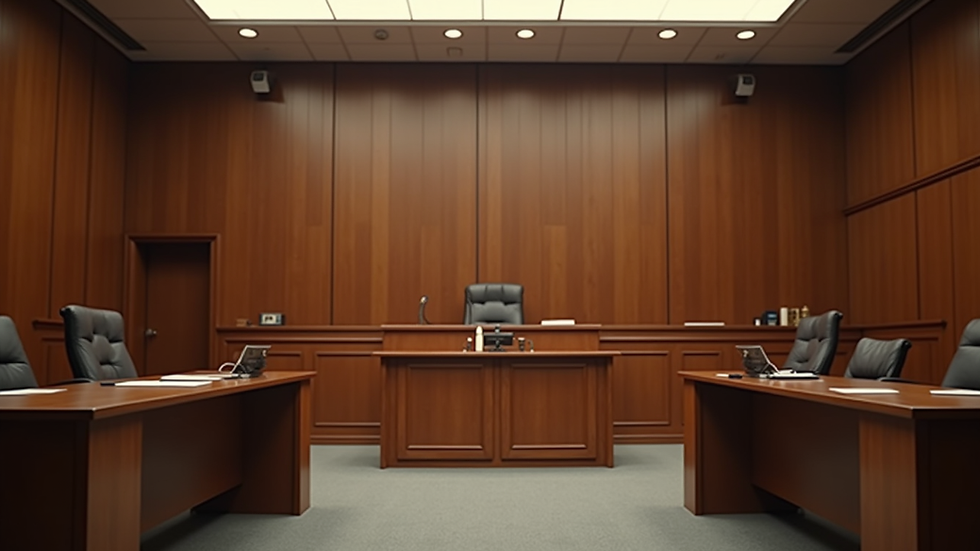
Legal interpreting refers to the process of translating spoken or signed language in legal settings. This can occur in various environments, including:
Courtrooms: Interpreters help non-English speakers understand proceedings.
Depositions: They ensure that all parties can communicate effectively during legal questioning.
Mediation and Arbitration: Interpreters facilitate discussions between parties who speak different languages.
The Importance of Legal Interpreting
The significance of legal interpreting cannot be overstated. Here are some key reasons why it is essential:
Access to Justice: Legal interpreters ensure that individuals who do not speak the dominant language can access legal services and understand their rights.
Accuracy: Miscommunication in legal contexts can lead to severe consequences. Interpreters provide precise translations that maintain the integrity of the original message.
Cultural Sensitivity: Legal interpreters are trained to navigate cultural nuances, ensuring that the communication is not only accurate but also respectful and appropriate.
Skills Required for Legal Interpreters
Legal interpreters must possess a unique set of skills to perform their duties effectively. These include:
Language Proficiency: A deep understanding of both the source and target languages is crucial.
Legal Knowledge: Familiarity with legal terminology and concepts helps interpreters convey messages accurately.
Cultural Competence: Understanding cultural differences can aid in delivering contextually appropriate interpretations.
Active Listening: Interpreters must listen carefully to capture the full meaning of what is being said.
Impartiality: Maintaining neutrality is essential to ensure fair representation of all parties involved.
Types of Legal Interpreting
Legal interpreting can be categorized into several types, each serving different needs:
Simultaneous Interpreting
In simultaneous interpreting, the interpreter translates the spoken words in real-time. This method is often used in large courtrooms or conferences where multiple languages are spoken. The interpreter listens to the speaker through headphones and conveys the message to the audience almost instantly.
Consecutive Interpreting
In consecutive interpreting, the speaker pauses after a few sentences, allowing the interpreter to translate what has been said. This method is commonly used in smaller settings, such as depositions or one-on-one meetings, where clarity is paramount.
Sight Translation
Sight translation involves reading a written document in one language and orally translating it into another. This is often used for legal documents, such as contracts or affidavits, where immediate understanding is required.
The Role of Technology in Legal Interpreting
Advancements in technology have transformed the field of legal interpreting. Here are some ways technology is enhancing the profession:
Remote Interpreting: Video conferencing tools allow interpreters to provide services from anywhere, making it easier to connect with clients who may be in different locations.
Translation Software: While not a replacement for human interpreters, translation software can assist in preparing for cases by providing quick translations of legal documents.
Recording Devices: Audio and video recordings can help interpreters review proceedings and ensure accuracy in their translations.
Challenges Faced by Legal Interpreters
Despite the importance of their role, legal interpreters face several challenges:
High Stakes: The legal environment is often high-pressure, and interpreters must perform flawlessly to avoid miscommunication.
Emotional Situations: Legal proceedings can be emotionally charged, and interpreters must navigate these dynamics while remaining neutral.
Complex Terminology: Legal jargon can be difficult to translate, requiring interpreters to have a strong grasp of legal concepts.
Best Practices for Engaging Legal Interpreting Services
When seeking legal interpreting services, consider the following best practices:
Hire Qualified Professionals: Look for interpreters with certifications and experience in legal settings.
Provide Context: Share background information about the case to help the interpreter prepare.
Communicate Clearly: Ensure that all parties understand the role of the interpreter and the process involved.
Case Studies: Successful Legal Interpreting
Case Study 1: A Criminal Trial
In a recent criminal trial, a defendant who spoke Spanish required an interpreter. The legal interpreter facilitated communication between the defendant and the judge, ensuring that the defendant understood the charges and could respond appropriately. The interpreter's expertise in legal terminology helped avoid misunderstandings that could have jeopardized the defendant's rights.
Case Study 2: Immigration Hearing
During an immigration hearing, a refugee from Syria needed an interpreter to explain their situation. The interpreter not only translated the words but also conveyed the emotional weight of the refugee's story. This allowed the immigration officer to understand the context better, leading to a more compassionate decision.
Conclusion
Legal interpreting is a vital service that bridges language barriers and ensures effective communication in legal settings. By employing skilled interpreters, legal professionals can enhance access to justice and uphold the integrity of the legal process. As the world becomes increasingly interconnected, the demand for expert legal interpreting services will continue to grow.
If you are in need of legal interpreting services, consider reaching out to qualified professionals who can help facilitate clear and accurate communication. Your ability to navigate the legal system effectively may depend on it.

ความคิดเห็น